When Influence Collides with Enforcement: Recovering a Dual-Loan NPA Against Professional Borrowers
01
Background
A leading public sector bank entrusted us with the resolution of a complex debt recovery case involving a housing loan and an education loan, both of which had turned into Non-Performing Assets (NPAs). The borrowers, both medical professionals, had availed a housing loan and mortgaged their residential property, over which an additional charge was also created to secure the education loan.
02
The Challenge
Borrowers being Doctors by profession and keeping their dignity, the Bank officials persuaded them and also made several follow up visits and sent notices, but no fruitful results came out. The borrowers made excuse of their son being still unemployed and further doing some additional course, who still stays back abroad. They also claimed their son shall be repaying back his loan. In the meanwhile, the borrower also shifted to their ancestral house.
03
Enforcement Action
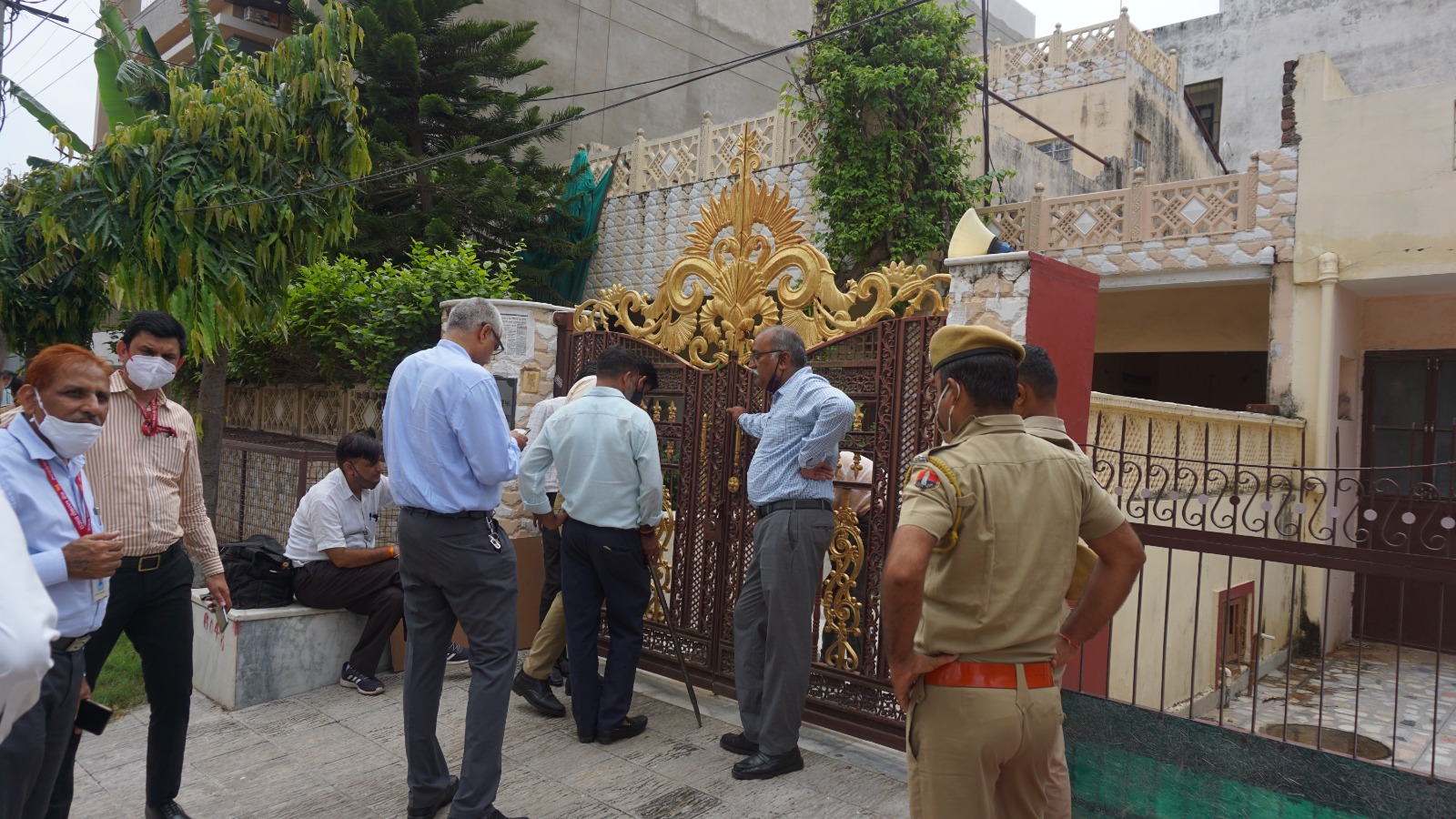
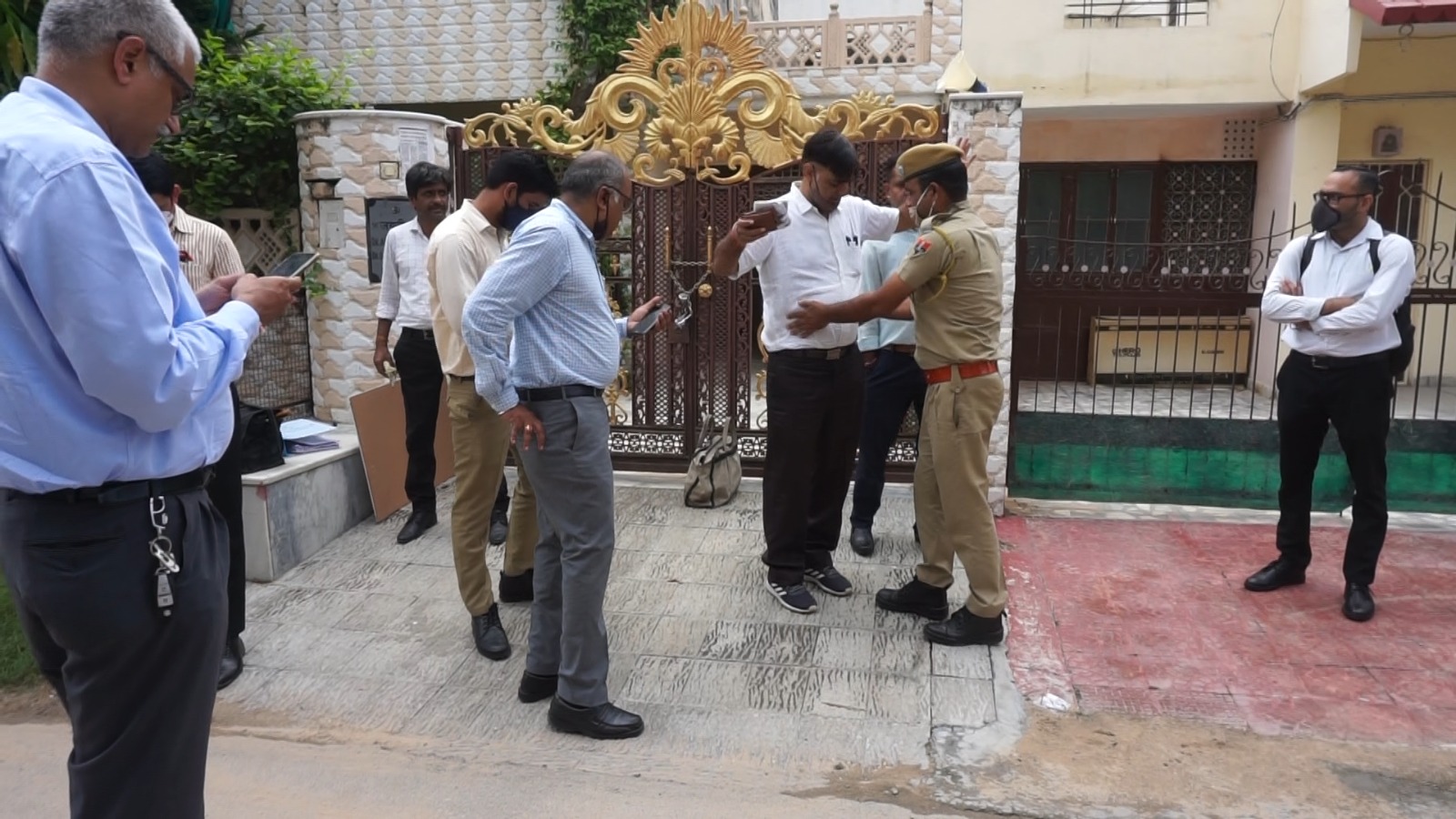
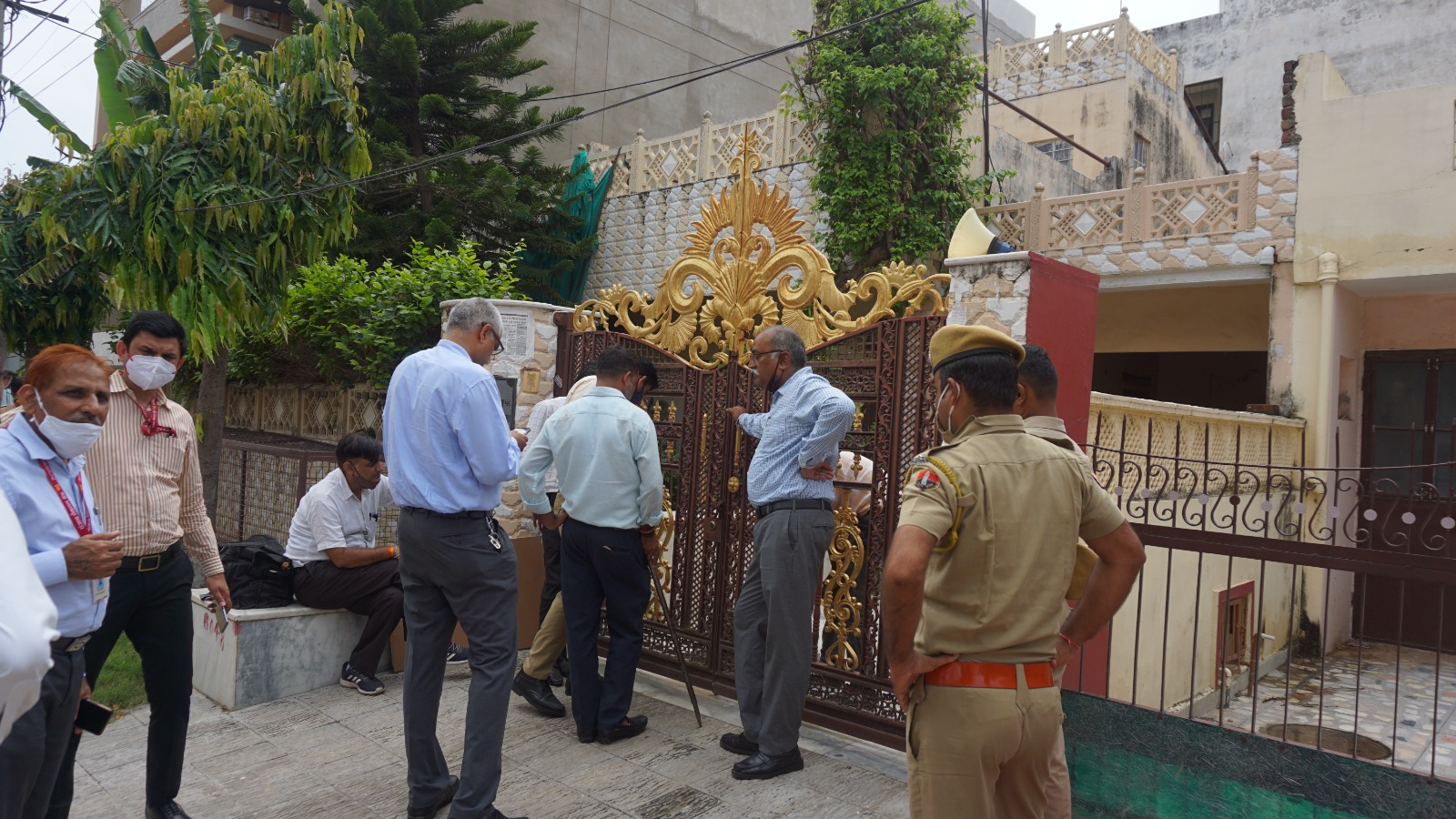
Despite repeated follow-ups, notices, and persuasion by the bank, the dues remained unpaid. After conducting detailed due diligence, our team successfully assisted the bank in taking symbolic possession of the secured asset and initiated proceedings under Section 14 of the SARFAESI Act for obtaining assistance in taking physical possession through police help. Further as per the procedure, the bank intimated the borrower about the proceeding and also about the possession of the mortgaged property.
On the intimated day, while the Authorised Officer was taking physical possession, the borrowers reached the District Magistrate's office insisting to recall his own pronounced order under Section 14 using their social influence. By the time the DM office's message reached the bank, the physical possession was taken and security guards were posted on the property.
At around 8:30 PM on the same day of possession taken, the lady came at the mortgaged property and manhandled the security guard, broke open the bank's locks and entered into the property. Later with our help along with the Police force, the Authorised Officer of PNB took over the possession.
04
Legal Battle
The Bank lodged a written complaint with the local Police Station regarding the illegal trespass and unauthorized occupation of the secured asset. However, no effective action was taken by the police. Simultaneously, the application filed before the District Magistrate under Section 14 of the SARFAESI Act remained unattended, with neither any order being passed nor the matter being effectively considered. As a result, the Bank's recovery proceedings were significantly delayed, jeopardizing the enforcement of its security interest.
To safeguard the Bank's recovery process, it was decided to file a fresh application under Section 14 before the Chief Judicial Magistrate (CJM), being the competent authority, while also applying before the District Magistrate seeking withdrawal of the earlier proceedings. Despite this, the District Magistrate did not take any action on the withdrawal application.
Acting with mala fide intentions, the borrower attempted to mislead the CJM by alleging that the Bank had initiated identical proceedings before two different forums for the same relief. The Bank's counsel effectively rebutted these allegations by explaining the factual and legal position, including the pendency of the withdrawal application before the District Magistrate. After hearing the parties, the CJM was satisfied with the Bank's submissions and was pleased to pass an order under Section 14 of the SARFAESI Act, thereby enabling the Bank to proceed with taking possession of the secured asset.
05
Final Resolution
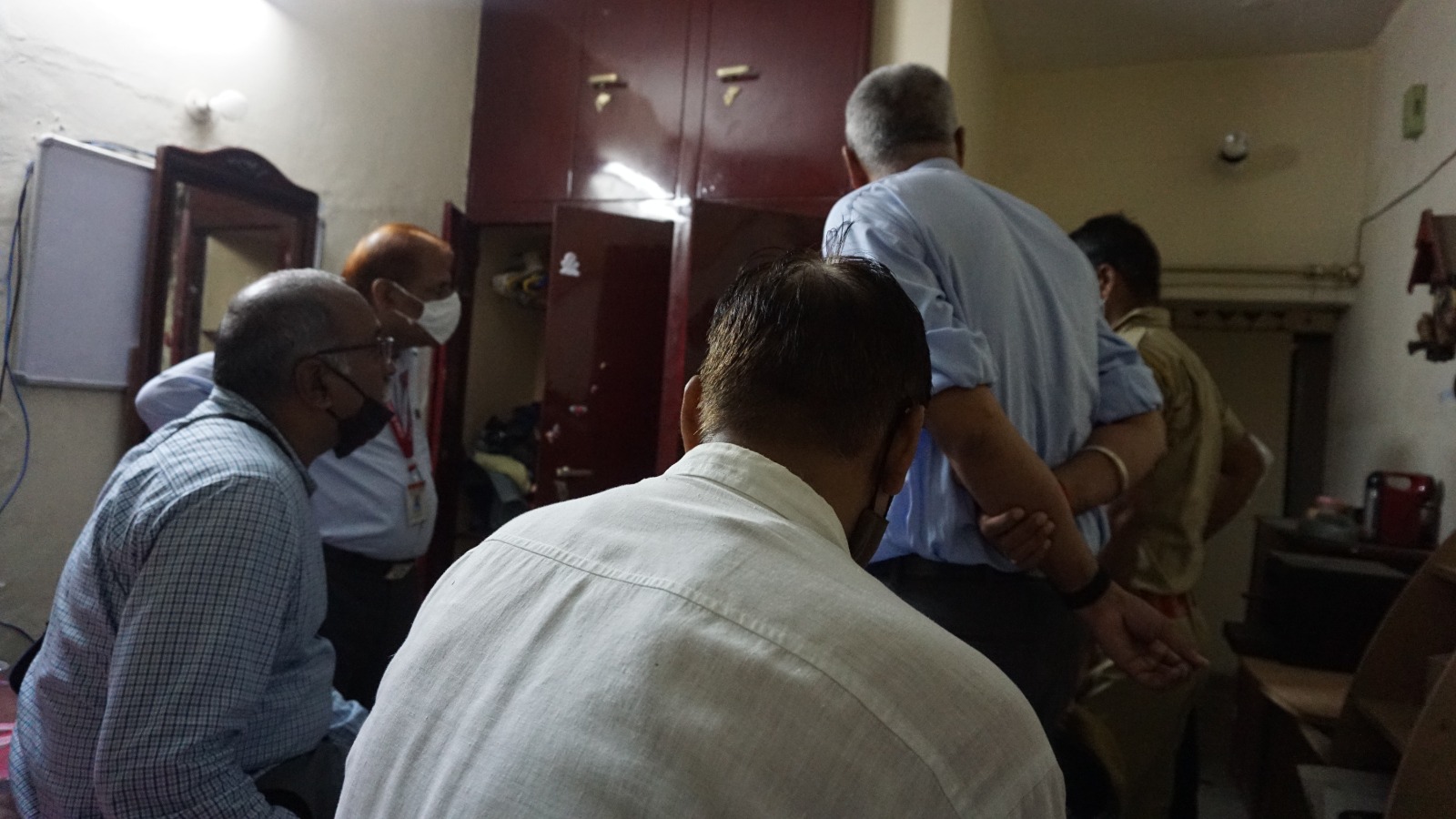
After securing the necessary legal orders, physical possession was successfully re-established. The secured asset, along with the borrower's belongings, was managed with due care by preparing inventories, arranging security, and preserving the movable assets until they were lawfully returned to the borrowers. The property was thereafter auctioned in accordance with the SARFAESI Act and the Security Interest (Enforcement) Rules. The successful sale of the property enabled the bank to recover its dues, leading to the closure of the loan account.